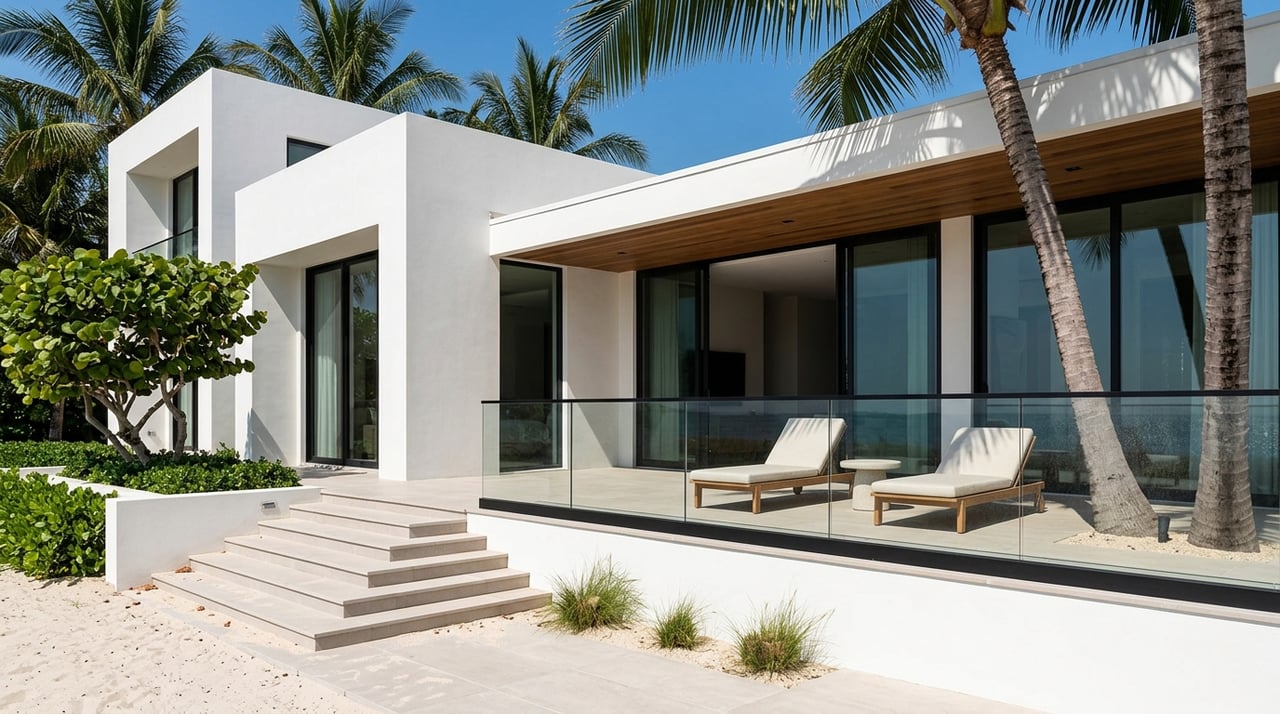
Buying on a private island sounds simple until you start asking the right questions. On Ambergris Cay, ownership is not just about choosing a beautiful home in the Caicos Islands. It is also about understanding how title, access, services, guest use, and island operations work together. If you are considering a purchase here, this guide will help you understand what you may be buying, how the ownership structure typically works, and what to review before moving forward. Let’s dive in.
What Ambergris Cay Ownership Really Means
Ambergris Cay is best understood as a managed private-island community with resort elements. According to Ambergris Cay’s official website, the island began as a private-home community and later opened as a private island resort in 2019.
That distinction matters if you are evaluating ownership. Some accommodations on the island are part of the hospitality offering, while the real estate side markets privately owned homes, custom homes, and homesites. In other words, not every structure on the island is for sale, and not every amenity is tied to ownership in the same way.
What You Can Buy on Ambergris Cay
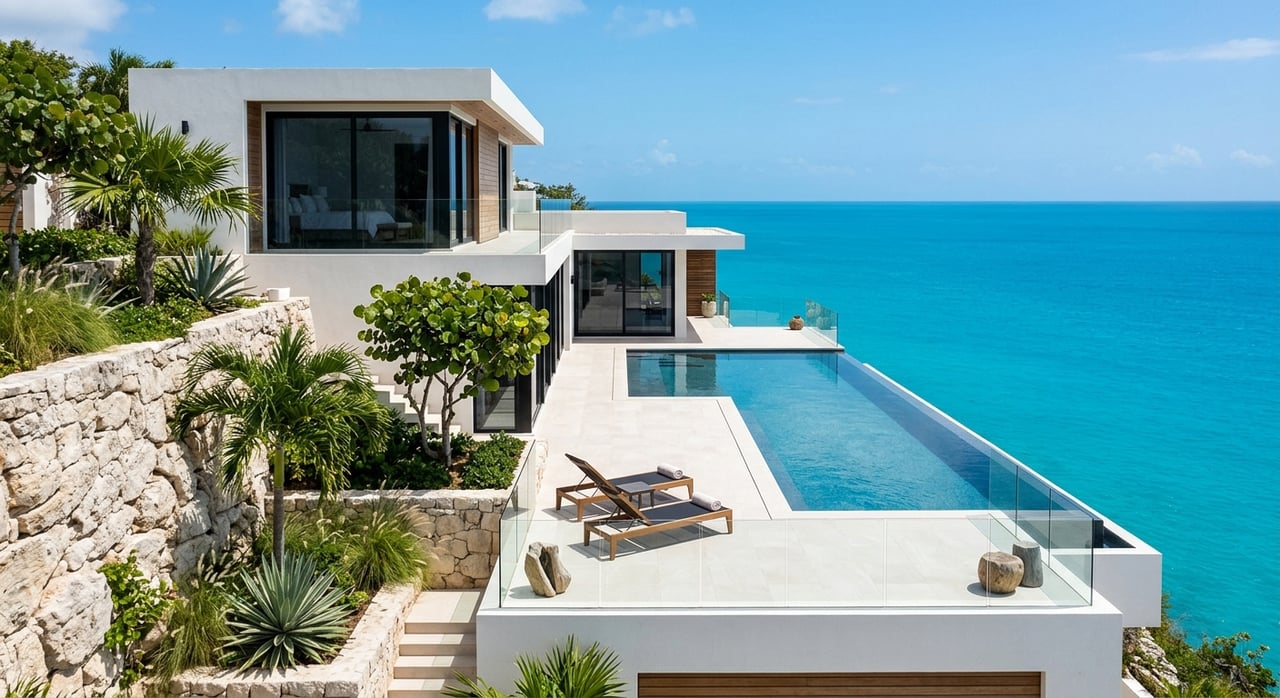
If you are exploring ownership, the first step is understanding the property type. Public-facing materials describe several categories of real estate inventory, including move-in ready homes, custom homes, and homesites.
Available villa formats have included a wide range of sizes, from smaller two-bedroom bungalows to larger residences with three, four, five, six, or even eleven bedrooms. That gives buyers flexibility, whether you want a more turnkey retreat or a larger compound-style residence.
Move-In Ready Homes
A move-in ready home is the closest option to immediate use. This type of purchase may appeal to you if you want to start enjoying the property quickly and avoid a separate design and build timeline.
Because Ambergris Cay is positioned as a highly serviced island environment, a completed residence can also offer a clearer picture of how ownership will feel day to day. You can evaluate layout, views, outdoor living, and how the home fits into the island’s broader operating model.
Custom Homes and Homesites
If you want more control over design, a custom home or homesite may be the better fit. This route gives you the opportunity to shape the residence around your lifestyle, subject to the island’s planning documents, community structure, and construction agreements.
For many buyers, the decision is not only about the house itself. It is also about the site, privacy level, orientation, and how the parcel connects to the island’s managed amenities and logistics.
How the Purchase Process Typically Works
Private-island purchases often feel more layered than a standard residential sale in Providenciales. On Ambergris Cay, seller-side materials indicate that a transaction may begin with agreement on price and core terms, followed by a Purchase and Sales Agreement prepared by the seller’s attorney for review by the buyer’s attorney.
In some cases, a separate construction agreement may also be required. Additional governing documents may include a Declaration of Planned Community and a Rental Management Agreement, depending on the asset and how it will be used.
Why Legal Review Matters
In Turks and Caicos, ownership is recorded through the government’s Land Registry registered-title system. The registry records ownership, leases, easements, charges, and other interests, and the government states that title is guaranteed through this system.
That does not remove the need for diligence. It means you should carefully confirm the exact parcel, the title position, any restrictions on use, and the documents that govern the community and any management structure. This is especially important on a private island where infrastructure, guest use, and operations may be centrally managed.
Freehold Title and Community Rules
One of the biggest misunderstandings with private-island real estate is assuming ownership works exactly like owning a standalone house elsewhere. In reality, your ownership rights may exist alongside community-level rules, operating documents, and management frameworks.
That is why buyers should verify whether the property is held freehold and what obligations come with it. You should also understand how any planned-community rules, service arrangements, or rental management terms affect your use of the residence.
Costs to Review Before Closing
Purchase price is only one part of the decision. On Ambergris Cay, seller-side materials note that a one-time stamp duty of 6.5 percent on the land value is payable on a villa purchase.
At the same time, the Turks and Caicos government notes that stamp duty rates can vary by island and buyer status. That is why it is wise to confirm the exact rate and any potential relief with local legal counsel rather than relying only on a marketing summary.
Non-Resident Permit Considerations
If you are not a resident of Turks and Caicos, ownership and immigration status should be treated as separate issues. According to TCI Border Force guidance on visas and permits, non-residents who own a home in Turks and Caicos should apply for a Homeowner’s Permit.
The guidance states that this generally requires a home valued at no less than $300,000 and does not allow gainful occupation. For international buyers, this is an important practical point when planning how you intend to use the property.
How Daily Ownership Works on the Island
Ambergris Cay is not marketed as a self-managed island experience. It is presented as a service-oriented environment that can feel much closer to a managed resort residence than an isolated standalone home.
The island’s villa and hospitality pages highlight features such as a dedicated island host, complimentary transfer flights, golf carts, dining, drinks, spa access, and activities. Some villa offerings also reference private chef and butler service, depending on the residence.
Maintenance, Utilities, and Operations
For many buyers, the biggest appeal of private-island ownership is ease. But that ease depends on a strong behind-the-scenes operating system. Ambergris Cay’s ownership structure should be viewed through that lens.
That means you will want clear answers on who handles housekeeping, maintenance, utilities, landscaping, infrastructure upkeep, and guest servicing. On a remote island, those systems matter just as much as the residence itself.
Rental Use and Guest Stays
If you want flexibility for guest use or income generation, ask early how the property fits into any rental framework. Seller-side materials indicate that a Rental Management Agreement may apply, and the official real estate materials note that revenue may be generated through a villa rental pool.
That can be attractive for buyers who want a more operationally supported ownership model. Still, you should review the details carefully, including guest procedures, management responsibilities, owner use periods, blackout dates, and any limits that affect availability.
Questions to Ask About Rental Structure
Before you buy, consider asking:
- Is the residence required or allowed to participate in a rental program?
- How are bookings, housekeeping, and guest services handled?
- Are there owner blackout periods or minimum availability requirements?
- How is rental revenue calculated and distributed?
- What standards must the property meet to remain in the program?
These questions can shape both your lifestyle use and your long-term financial expectations.
Access Is a Major Part of Ownership
One reason Ambergris Cay feels different from Providenciales is access. According to the island’s official FAQ, Ambergris Cay has a 5,700-foot runway with on-island customs and immigration, and the short flight from Providenciales takes about 20 minutes.
Private planes can land directly with notice. The same FAQ also notes that boat transfers are not regularly offered because of variable sea conditions, which highlights how travel planning is tied closely to aviation access.
How Ambergris Cay Differs From Providenciales
That access model helps explain the island’s character. The Turks and Caicos government’s National Tourism Development Strategy and Action Plan 2023 notes that Providenciales accounts for more than 90 percent of the country’s tourism infrastructure and demand.
In practical terms, Providenciales is the main service hub. Ambergris Cay, by contrast, is a low-density, highly managed private-island environment with its own runway and a more structured logistics profile. If you value privacy and curated service, that may be exactly the point. But it is important to understand that ownership there works differently from ownership in Provo.
Key Due Diligence Questions to Ask
Before purchasing on Ambergris Cay, you should have clear answers to a few core questions:
- What exactly are you buying? A finished villa, a custom home package, or a homesite?
- How is title held? Confirm the parcel, legal description, and registered-title details.
- What documents govern ownership? Review any planned-community or management agreements.
- How are services handled? Ask who manages maintenance, utilities, housekeeping, and guest logistics.
- Can the property generate revenue? Understand whether a rental pool or management program applies.
- How do travel disruptions affect access? Clarify arrival procedures and contingency planning.
- What taxes and permits apply? Review stamp duty, ownership costs, and non-resident permit requirements.
These are not small details. They are central to understanding the true ownership experience.
Why Expert Guidance Matters
A purchase on Ambergris Cay is more than a lifestyle decision. It is a cross-border transaction involving title review, island-specific logistics, operating documents, and long-term planning.
If you are weighing private-island ownership in the Caicos Islands, working with a local advisor who understands both the lifestyle and the structure can help you move with more clarity. For tailored guidance on luxury resort and private-island opportunities in Turks & Caicos, Sean O'Neill can help you evaluate the details and schedule a consultation.
FAQs
What does private island ownership on Ambergris Cay usually include?
- Ownership on Ambergris Cay is best understood as a managed private-island model that may involve a privately owned home, custom home opportunity, or homesite, along with community or management documents that affect use and operations.
What property types are available to buy on Ambergris Cay?
- Public materials describe move-in ready homes, custom homes, homesites, and villas in a range of sizes, so buyers should confirm exactly which asset type is being offered before making an offer.
How is title recorded for Ambergris Cay real estate in Turks and Caicos?
- Turks and Caicos uses a registered-title system through the Land Registry, which records ownership and other legal interests, making title review an important part of due diligence.
Can Ambergris Cay owners place their home into a rental program?
- Seller-side materials indicate that a rental management agreement may apply and that some properties may generate revenue through a villa rental pool, so the specific terms should be reviewed for each property.
How do owners and guests travel to Ambergris Cay?
- The island’s official FAQ states that Ambergris Cay has a 5,700-foot runway with on-island customs and immigration, and that the flight from Providenciales takes about 20 minutes.
Do non-resident buyers need a permit to own a home in Turks and Caicos?
- Border Force guidance says non-residents who own a home in Turks and Caicos should apply for a Homeowner’s Permit, which generally requires a home valued at no less than $300,000 and does not allow gainful occupation.
What tax should buyers review when purchasing property on Ambergris Cay?
- Buyers should review stamp duty carefully, since seller-side materials reference a 6.5 percent duty on land value for villa purchases, while government guidance notes that rates can vary by island and buyer status.