If you are thinking about buying a villa on Parrot Cay, you are likely looking for something very specific: privacy, service, and a resort-style island experience that feels far removed from everyday life. That kind of purchase can be deeply rewarding, but it also calls for clear expectations about access, ownership structure, and how life on a private island actually works. In this guide, you will get a practical look at what to consider before moving forward with a villa purchase on Parrot Cay. Let’s dive in.
Why Parrot Cay Draws Luxury Buyers
Parrot Cay is a 1,000-acre private island east of Providenciales, known for its low-density luxury setting and privacy-focused lifestyle. According to the Turks and Caicos national tourism strategy, the island has no airstrip and is centered around the COMO Parrot Cay resort, resort-managed villas, and private residences.
That setup creates a very different ownership experience from a typical residential market. You are not buying into a conventional neighborhood pattern with roads, daily retail, and easy drive-up access. Instead, you are considering a home in a destination built around seclusion, curated service, and boat-based arrival.
Access Matters More Than You Think
One of the first things to understand is how you will reach the island. COMO states that the transfer from Providenciales International Airport typically takes about 50 minutes total, including a 15-minute drive to Leeward Marina and a 35-minute boat ride to the island via the COMO Parrot Cay arrival process.
For many buyers, this is part of the appeal. The journey creates a real sense of separation and exclusivity. At the same time, it is important to view that transfer as part of everyday ownership planning, especially if you expect frequent arrivals, visiting guests, staff coordination, or longer stays throughout the year.
Resort-Managed Living on Parrot Cay
A villa purchase on Parrot Cay is often about more than the home itself. It is also about the service environment surrounding it. COMO highlights amenities and services such as a 24-hour manager, concierge service, and private butler service for Beach Houses and above, along with access to a beach club, tennis courts, trails, a retail boutique, and the COMO Shambhala Retreat.
The wellness component is also a meaningful part of the island’s identity. The retreat includes a yoga studio, gym, treatment rooms, Pilates studio, and Japanese baths, which helps explain why many buyers see Parrot Cay as a lifestyle purchase as much as a real estate one.
In practical terms, this kind of setup can support a more turnkey ownership experience. Still, before you buy, you will want to confirm exactly which services are included with ownership and which are available separately through resort arrangements.
What Villa Inventory Typically Looks Like
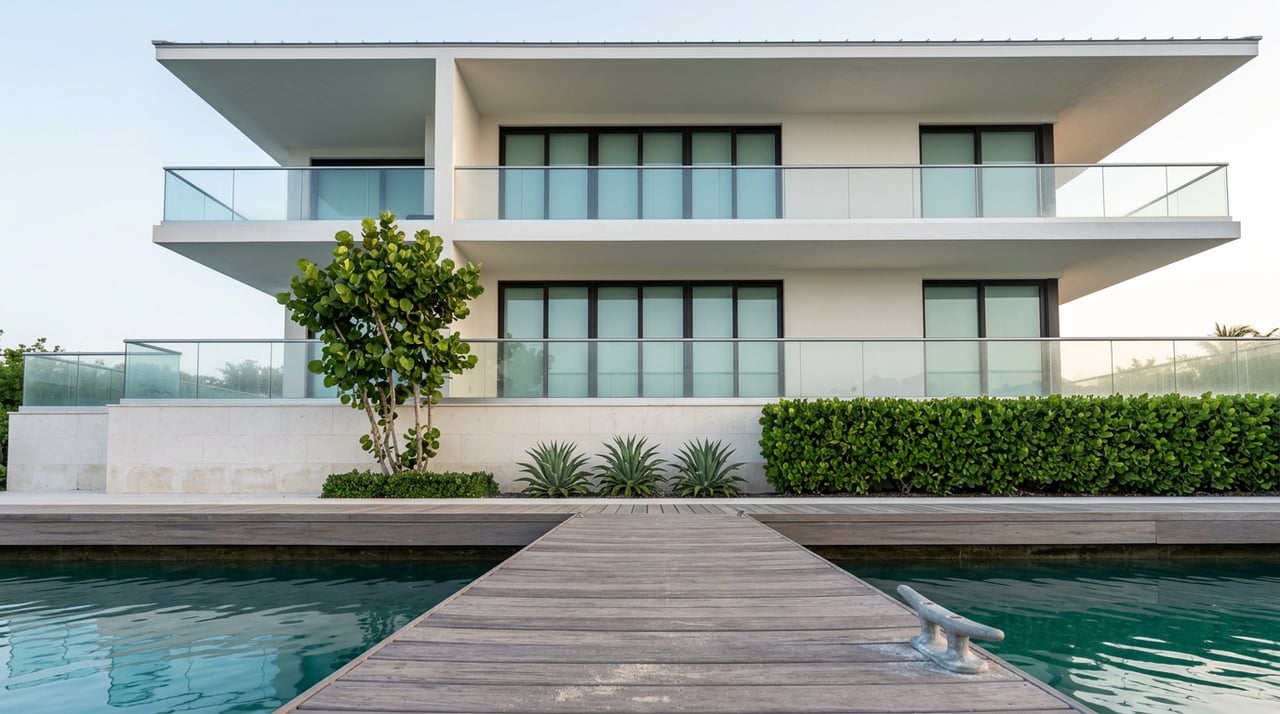
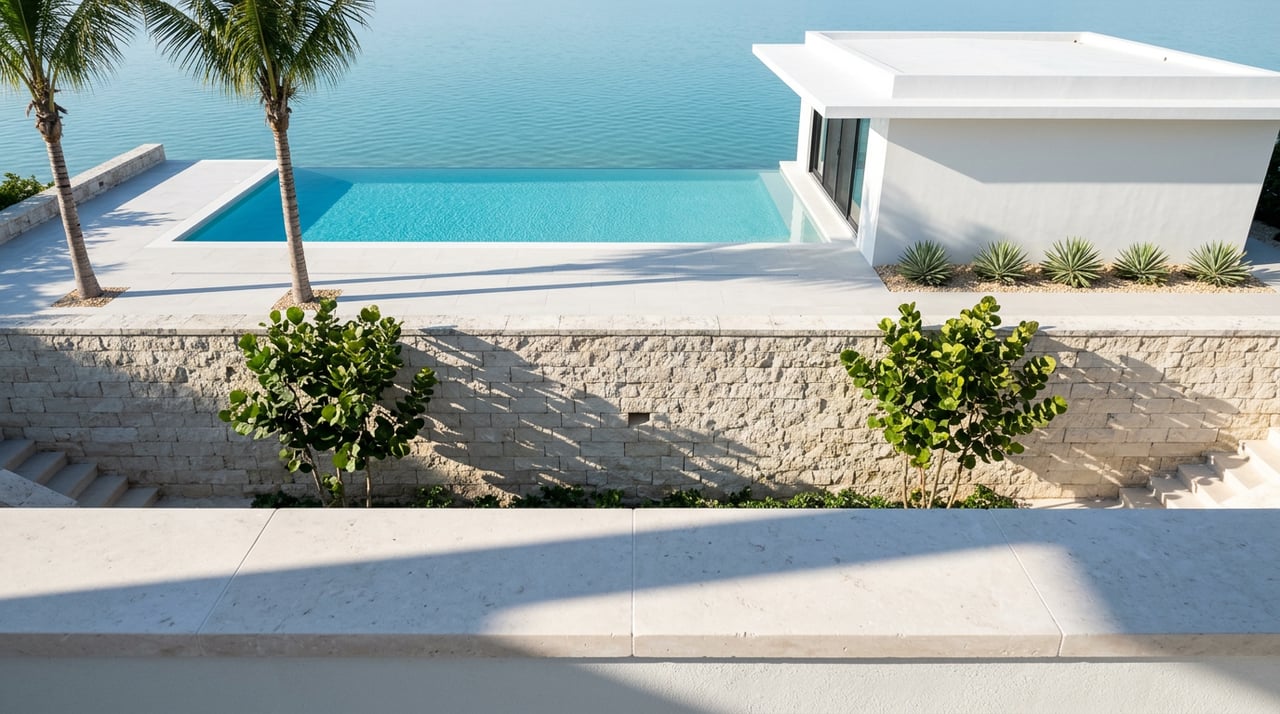
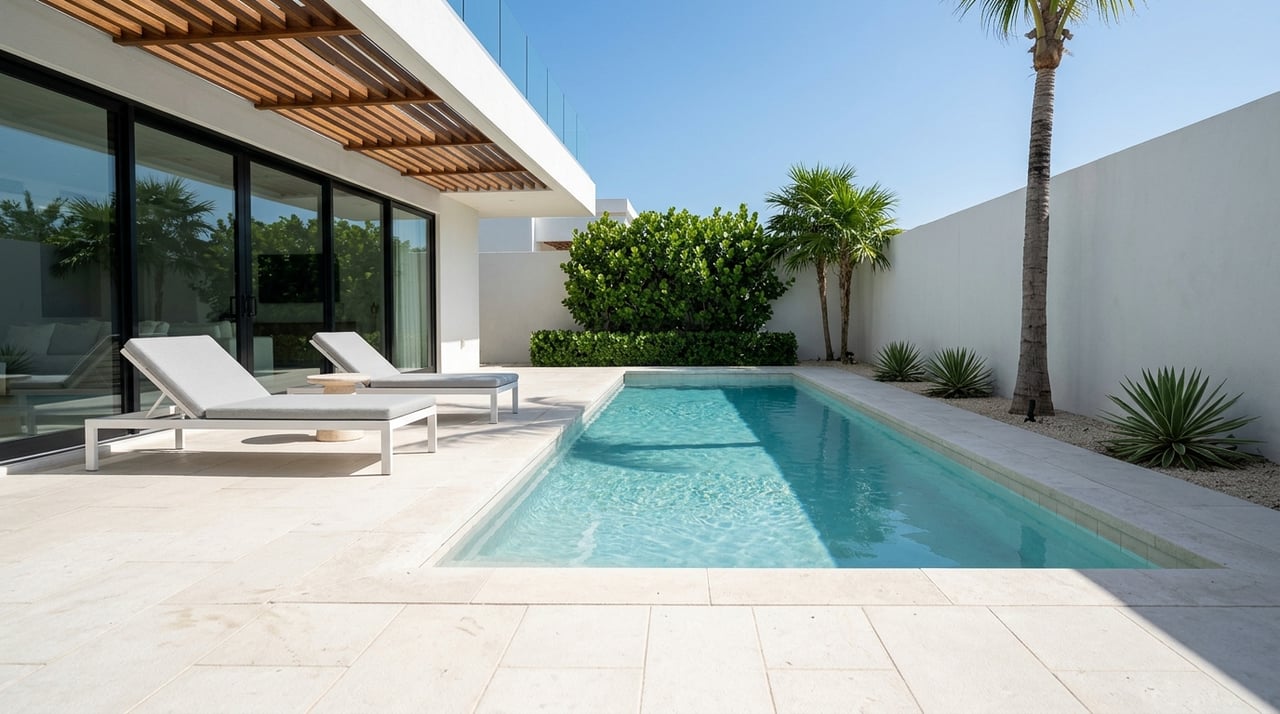
While every offering is different, sample villa listings on Parrot Cay show the type of product many buyers evaluate. Features often include beachfront positioning, en suite bedrooms, private pools, indoor and outdoor dining areas, direct beach access, and chef options through the island villa experience at COMO.
This matters because your purchase decision may go beyond square footage or bedroom count. On Parrot Cay, buyers often weigh factors such as beach frontage, privacy, service integration, outdoor living design, and how effortlessly the home works for family use, entertaining, or extended stays.
Parrot Cay vs Providenciales Living
Many buyers compare Parrot Cay with villas and resort residences on Providenciales. That is a smart comparison because the two offer very different lifestyles.
Providenciales is the country’s main gateway and economic center, with the main airport, a larger population base, and broader access to restaurants, retail, marinas, banks, and professional services. If you want year-round convenience and a wider service ecosystem, Provo usually offers a more conventional ownership experience.
Parrot Cay is more private and more intentionally removed. The nearby point of reference is often North Caicos, which Invest TCI describes as quieter, greener, and still strongly tied to agriculture, while also being only a short boat ride away in this market context. If your priority is seclusion and resort-managed ease over immediate convenience, Parrot Cay may be the better fit.
Ownership Rules in Turks and Caicos
For international buyers, Turks and Caicos is generally straightforward from a property ownership standpoint. Invest TCI states that there are no restrictions on foreign property ownership, and that financing and insurance are available to residents and new arrivals through the TCI home purchase overview.
The same source explains that the Land Registry records transfers, charges, restrictions, leases, easements, and other interests in a public register, and that the government guarantees title. That makes title review one of the most important parts of your due diligence.
Before closing on a villa or parcel, you should confirm the exact ownership structure and review the relevant land-register details, including any charges or restrictions shown through the Turks and Caicos Land Registry. On a high-value resort property, this step is not just procedural. It is central to protecting your position.
Taxes and Closing Cost Expectations
Tax structure is another area where Turks and Caicos stands out. According to Invest TCI, buyers pay a one-time stamp duty on a purchase, but there are no annual property taxes, no capital gains taxes on appreciation, and no income tax on rental income in the jurisdiction.
That can make the market attractive for second-home buyers and investors, but it is still important to verify the exact treatment for the specific property you are considering. Because official stamp-duty schedules can vary by island and value, you should confirm current costs with TCI counsel and the Land Registry before finalizing an offer.
Residency and Permit Questions
If you plan to spend extended time in your villa, you should look at immigration considerations early in the process. The Turks and Caicos Border Force says that non-residents who own a home should apply for a Homeowner’s Permit, generally for homes valued at $300,000 or more.
These permits are typically valid for five years and are not intended for gainful occupation. If Parrot Cay will be more than an occasional retreat for you, this is worth discussing well before closing so your ownership plans line up with the correct permit path.
Yachting and Private Arrival Planning
For buyers who expect to arrive by private yacht or other pleasure craft, customs compliance should be part of the ownership conversation from the start. Turks and Caicos now requires SailClear submission at least 24 hours before arrival or departure, and clearance must be completed before anyone goes ashore, according to the government notice on pleasure craft rules.
That may sound like a small detail, but on a private-island ownership model, logistics shape the experience. Planning ahead helps avoid friction and keeps arrivals and departures smooth for you and your guests.
Key Questions to Ask Before You Buy
A Parrot Cay purchase deserves a disciplined review process. Before you commit, make sure you have clear answers to a few core questions:
- What is the exact title structure for the villa or parcel?
- Are there any charges, restrictions, easements, or lease-related issues on the land register?
- Which services are included with ownership, and which are arranged separately through the resort?
- How are maintenance, staffing, security, and concierge support handled in practice?
- What are the current stamp duty and closing cost implications for this specific purchase?
- Do your planned stays require a Homeowner’s Permit or other immigration planning?
- If you will arrive by yacht, what customs steps need to be built into your travel routine?
When you are buying in a market as specialized as Parrot Cay, good due diligence supports not only a smoother transaction, but also a better ownership experience after closing.
Is Parrot Cay the Right Fit?
Parrot Cay is not for every buyer, and that is exactly the point. It tends to appeal most to people who value privacy, low density, beachfront living, and resort-caliber service more than immediate access to everyday conveniences.
If that sounds like your vision, the island can offer an exceptional ownership experience. The key is to approach the purchase with a clear understanding of logistics, title, service structure, and long-term use, so the property truly supports the lifestyle you want.
If you are weighing a villa purchase on Parrot Cay or comparing it with other luxury opportunities across Turks and Caicos, working with a locally grounded advisor can help you move with more clarity and confidence. To discuss your options, Sean O'Neill offers a high-touch, consultative approach tailored to complex island and resort real estate purchases.
FAQs
What is the travel process for reaching a villa on Parrot Cay?
- COMO states that travel typically involves a 15-minute drive from Providenciales International Airport to Leeward Marina, followed by a 35-minute boat ride to Parrot Cay.
What services are available with Parrot Cay villa ownership?
- Resort amenities may include a 24-hour manager, concierge service, private butler service for certain residences, a beach club, tennis courts, trails, wellness facilities, and dining-related options, but you should confirm what is included with the specific property.
Can foreign buyers purchase a villa in Turks and Caicos?
- Yes. Invest TCI states that there are no restrictions on foreign property ownership in Turks and Caicos.
What taxes apply to a Parrot Cay villa purchase?
- Buyers generally pay a one-time stamp duty on purchase, while Invest TCI states there is no annual property tax, no capital gains tax on appreciation, and no income tax on rental income.
Do Parrot Cay homeowners need a residence permit in Turks and Caicos?
- Non-resident homeowners planning to live on the islands should review Homeowner’s Permit requirements with Border Force, which generally apply to homes valued at $300,000 or more.
How is Parrot Cay different from buying in Providenciales?
- Parrot Cay is centered on privacy, boat access, and resort-managed living, while Providenciales offers more direct access to the airport, marinas, retail, dining, and professional services.